


Processing Knowledge
Toll Refining vs Selling by Unit: Which Option Fits Your Business?

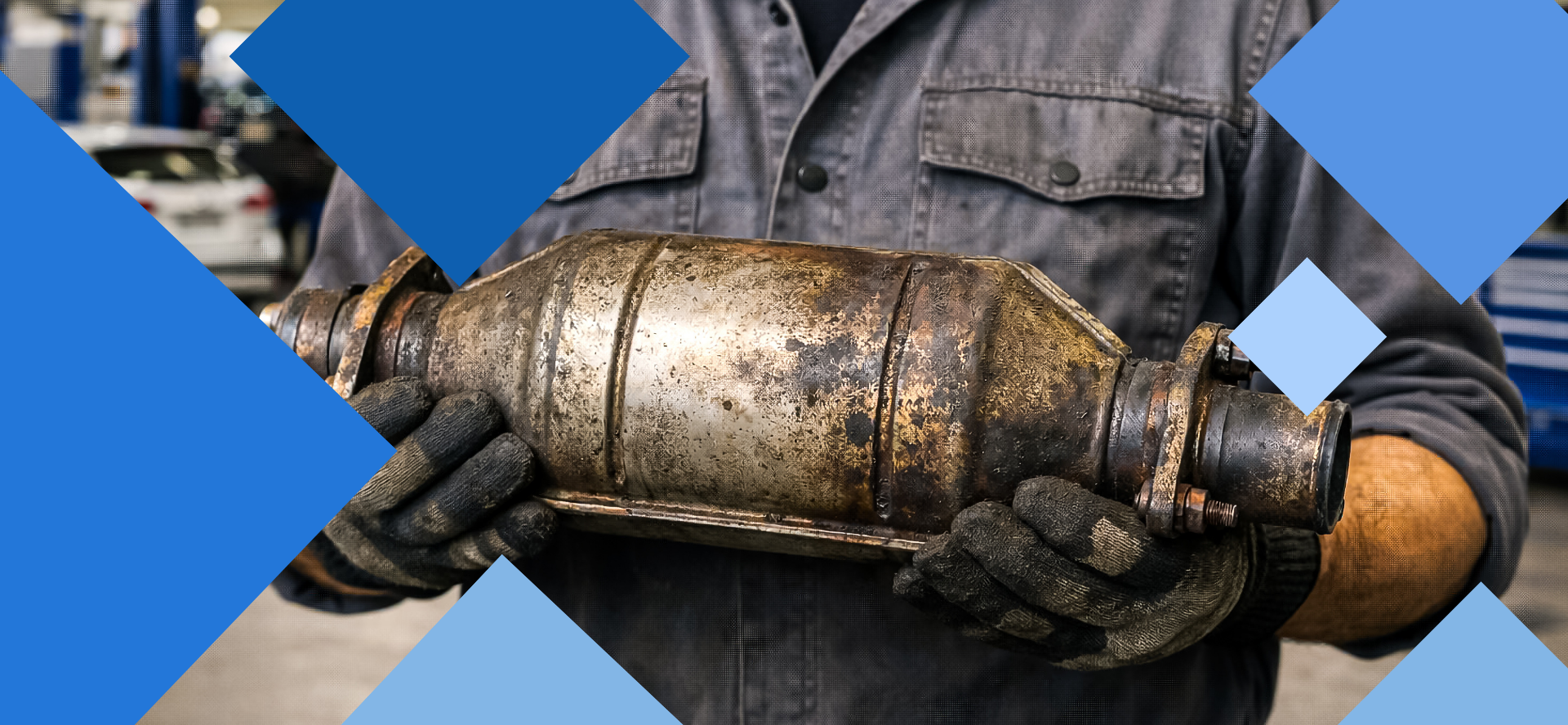
In catalytic converter recycling, one of the most frequent questions is: should I work with a toll refiner or sell my converters to a core buyer? As precious metals markets remain volatile and metal prices for platinum group metals continue to fluctuate, recyclers are under increasing pressure to choose settlement options that balance speed, transparency, and value.
Rising PGM demand from the automotive sector, tighter margins at the scrapyard, and growing scrutiny around valuation and reporting have made traditional fast settlement models less attractive for many businesses.
In response, toll refining has emerged as a strategic alternative, one that prioritizes transparency, accurate metal recovery, and alignment with market movements rather than immediate payout. To learn more about the difference between toll refining and fast settlement, keep reading!
What is toll refining?
First, we need to break down what toll refining means. Toll refining is a service-based settlement model in which the recycler retains ownership of their converter material throughout the entire toll refining process. Instead of selling material outright, the supplier pays a fee to a qualified refiner to process, refine, and return the value of the recovered metals.
Unlike traditional buy-and-sell models, where material is purchased upfront based on estimated content, toll refining ensures that settlement is based on the actual recovered precious metal content.
This model is used across precious metals industries because it delivers verifiable results, particularly when dealing with complex platinum group metals such as platinum, palladium, and rhodium.
To understand how toll refiners recover the exact amount of metal content in your converters, let’s break down the process.
How the toll refining process works
The toll refining process begins with material intake and detailed documentation to ensure full traceability from receipt to settlement. At this stage, lots are weighed, logged, and tracked within the refiner’s in-house systems.
Next comes preparation: catalytic converters are decanned, and the ceramic substrate is milled and homogenized to create a representative sample. This step is critical because inconsistent preparation can compromise the accuracy of the assay analysis.
Sampling is followed by advanced analytical testing. Techniques such as x-ray fluorescence (XRF) and ICP (inductively coupled plasma) analysis are used to determine PGM concentrations with precision.
This is typically where you get paid. Once your analysis report is provided, you can make the choice to hedge or sell your material, depending on the tolling options you chose. At PMR, this entire cycle typically takes 10–15 business days, which is six times faster than the industry standard, without sacrificing transparency or accuracy.
The prepared material then moves into smelting, where metals are separated from non-metal components, before entering the final refining process. Here, individual PGMs are recovered as refined metal and are funneled back into the economy.
Toll refining vs. selling by the unit: what’s the difference?
Selling by the unit offers immediate payment, with pricing determined based on a buyer’s pricing information–and how accurate it is. While appealing for short-term liquidity, this model transfers risk entirely to the buyer and often results in discounted returns.
With toll refining, you eliminate guesses and get right to the true value of your material. You remain exposed to real-time market prices during processing, allowing you to respond to market shifts with more accuracy.
Fast settlement favors simplicity and immediacy. Toll refining prioritizes transparency, precise valuation, and long-term value, making it more suitable for businesses focused on maximizing returns rather than immediate cash.
Benefits of toll refining for any-sized recycler
One of the most common misconceptions is that toll refining is only viable for high-volume suppliers. In reality, modern toll refining services are accessible to recyclers of all sizes. PMR, for example, offers toll refining with a 150-converter lot minimum, opening the door for businesses of any size to participate.
For smaller operations, key benefits include higher net returns, clearer insight into precious metals content, and consistent reporting.
For bigger companies, the benefit of smaller lots lets you determine returns per location and material type, helping you optimize your business accordingly.
Toll refining also supports long-term financial strategies, including hedging options to manage exposure to volatile PGM markets, something fast settlement models cannot offer.
Challenges in smelting and refining catalytic converters
It’s always important to understand the challenges in refining and smelting converters. Processing end-of-life converters is complex. Variability in converter designs, age, and differing emission standards mean that no two units are identical. Achieving consistent results requires precise sampling, expert homogenization, and advanced analytical controls.
Environmental regulations further complicate operations. Modern smelter facilities must comply with strict standards around emissions, waste handling, and worker safety, raising the bar for technical competence.
This is why working directly with a qualified toll refiner matters. Beyond improved returns, toll refining supports sustainability by ensuring recovered PGMs are responsibly returned to the global supply chain, supporting critical industries through efficient catalyst recycling.
Choosing the right settlement model for your business
When it comes to choosing what’s right for your business, it’s important to compare the pros and cons.
Before choosing, businesses should ask:
- Do we need immediate cash flow, or can we wait for optimized returns?
- Are we comfortable with market exposure and optional hedging?
- Do we value transparency and accuracy over immediate payout?
To make a quick comparison, PMR offers more than a toll refining process. Beyond a fast settlement rate, PMR provides transparent assay results for each of your lots, flexible pricing tools that help your business flourish, and dedicated converter experts.
So when you’re choosing between selling by the unit and toll refining, it’s important to remember what is crucial to your unique business. Gaining a strategic partner or getting paid based on someone’s best guess?
Understanding the difference empowers you to make smarter, more profitable decisions that meet your unique business goals. As PGM markets evolve and transparency becomes non-negotiable, choosing the right settlement model is essential to long-term success.
Ready to optimize your metal recovery process? Speak with a PMR specialist to get started.