


Processing Knowledge
How Are Contaminants Handled in Scrap Copper Recycling?

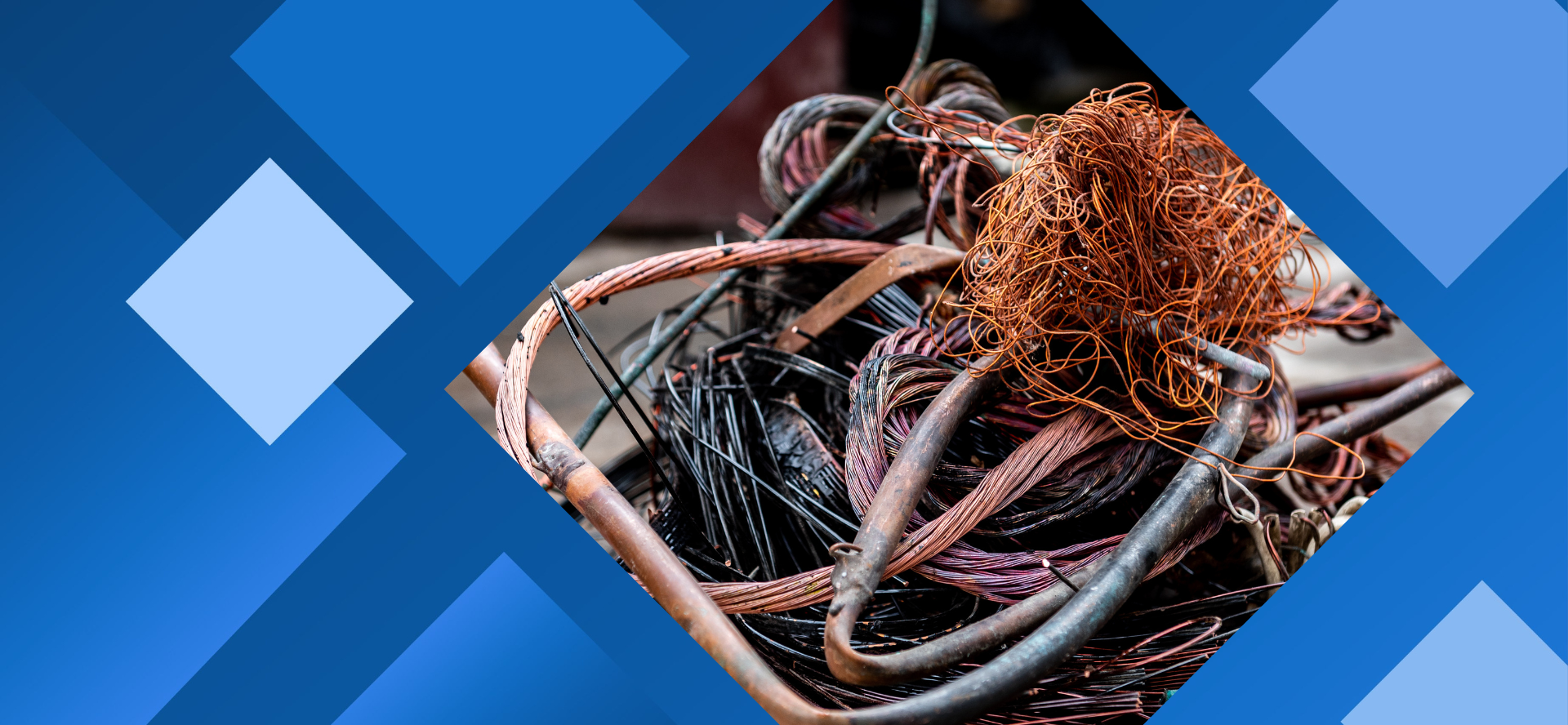
Copper is one of the most valuable materials in the scrap metal economy. Its excellent conductivity, durability, and resistance to heat make it essential across countless industries like construction and transportation to electronics and renewable energy.
Because copper is a non-ferrous metal, it retains significant value even after years of use, but only when its purity is preserved.
Copper purity directly impacts copper prices and downstream refining costs. Contaminants such as insulation, solder, oils, and mixed metals reduce market value and complicate the recycling process. Understanding how these impurities are identified and removed is critical for anyone handling scrap materials.
That’s why we’re giving you practical insights into how contaminants are managed throughout scrap copper recycling. If you’re aiming to get better returns from your scrap copper, continue reading!
Why purity matters: the economics and efficiency of clean scrap copper
Metal purity is one of the most important factors determining price per pound in scrap metal recycling. Clean, uncontaminated copper has competitive prices because it requires less processing and yields higher-quality output during recycling operations.
Copper grades are a standardized way for a scrap yard to assess purity. #1 copper typically includes clean, uncoated copper wire and pipes with minimal oxidation. #2 copper may contain light corrosion, solder, or coatings. #3 copper includes heavily contaminated scrap with mixed metal components or insulation.
Scrap yard deductions are applied when contaminants such as rubber, insulation, oil residue, stainless steel fittings, or other different metals are present. These deductions reflect the additional labor, shredding, and chemical processes required to remove impurities.
Is it worth cleaning copper for scrap? In most cases, yes. Removing obvious contaminants often increases market value, though the return depends on labor time versus price gains—an important consideration for high volumes of scrap metal.
What are the common contaminants found in copper?
Scrap copper often contains a wide range of contaminants introduced during its use, removal, or collection.
Physical contaminants commonly include insulation and plastic coatings on scrap wire, rubber jackets, paint, and attached hardware such as bolts or connectors. Mixed metals, especially steel or aluminum, are frequent issues in radiators, copper pipes, and electrical appliances.
Chemical and metal contaminants include lead-based solder, zinc from alloys, oils, lubricants, and grease. Corrosion and oxidation form over time, particularly when copper is exposed to moisture or harsh environments.
These contaminants originate from construction sites, demolition projects, electronics recycling, plumbing tear-outs, automotive scrap, and industrial equipment. Without proper sorting, scrap metal may include multiple types of metals that reduce its classification and value.
How contaminants are identified in scrap copper
The first step in handling contaminants is accurate identification. Most scrap yards rely on a combination of manual expertise and technology.
Visual inspection remains essential. Trained sorters evaluate color, corrosion, coatings, and attached materials to determine copper grades. Magnet testing quickly isolates ferrous metals, ensuring non-ferrous metals like copper are properly separated.
Advanced recycling facilities use x-ray fluorescence (XRF) scanners to analyze metal composition and identify unwanted alloys. These x-ray tools detect trace impurities that are not visible to the naked eye.
Burn tests may be used cautiously to identify insulation types or surface coatings, while density and weight checks help flag material that may contain mixed or lower-grade scrap metal.
Industrial methods for removing contaminants from scrap copper
Once contaminants are identified, processors rely on several methods to remove them efficiently and safely.
Mechanical separation
Mechanical separation is the most common method in scrap metal recycling. Manual or automated wire stripping removes insulation from copper wire, improving classification.
Granulators and shredding systems break down insulated scrap wire and separate copper from plastics using vibration, air flow, and density differences. Chopping lines are designed for high volumes, allowing processors to handle large quantities of scrap materials efficiently.
Magnetic separators remove steel fragments and other ferrous contaminants before further processing.
Thermal processes
Thermal methods such as controlled incineration or pyrolysis are used to remove insulation and organic materials without damaging the copper itself. These systems are designed to control emissions and comply with environmental regulations, making safe handling a priority.
Chemical and electrolytic refining
Chemical processes dissolve copper into a solution and redeposit it as high-purity metal. Electrolytic refining is particularly effective for removing stubborn impurities and trace contaminants. These techniques are typically used by large-scale refiners rather than local scrap yards due to cost and infrastructure requirements.
Melting and casting
During melting, contaminants rise to the surface as slag and are skimmed off. This step allows lower-grade scrap copper to be converted into usable ingots, suitable for further refining or manufacturing.
Preparing copper wire before scrapping: why it matters
Proper preparation can significantly increase the value of scrap metal. Removing insulation, connectors, and attached metal components from copper wire can dramatically improve classification and payout rates.
Insulated scrap wire is worth less than clean #1 copper. By stripping the insulation and separating mixed metals, you can reduce processing time at your yard, which often results in higher returns and access to competitive prices.
For recycling facilities, pre-sorted and clean metals improve efficiency and reduce wear on shredding equipment, benefiting the entire scrap metal recycling chain.
Is it worth cleaning copper for scrap?
Cleaning copper is worth it when the material is high-purity and easy to process. Clean copper wire, copper pipes, and solid scrap copper with minimal rust usually justify the effort.
On another note, heavily corroded materials, scrap with extensive solder, or complex assemblies containing different metals may not offer sufficient returns once labor is considered. In these cases, allowing your processor to manage separation is often more efficient.
Rule of thumb:
- High-purity, easily stripped material = worth cleaning
- Mixed, soldered, corroded, or complex scrap = limited returns
How scrap copper becomes high-purity copper again
At the final stage, scrap copper is transformed into 99.9% pure copper cathodes through smelting and electrolytic refining. Clean input material reduces waste, lowers energy consumption, and improves output quality.
This closed-loop system supports resource conservation by reintroducing recycled materials into the global supply chain with minimal loss. Recycling copper also reduces the need for primary mining, lowering emissions and environmental impact while maintaining supply for high-value applications.
Contaminants play a critical role in determining the value and efficiency of scrap metal recycling. By identifying, separating, and removing impurities, you can increase market value, reduce waste, and improve overall efficiency.
Proper preparation leads to higher payouts, cleaner output, and smoother recycling operations. These benefits are felt across scrap yards, recycling facilities, and end users alike.
Want to know more about increasing the value of your scrap copper? Contact our team to learn more about our copper recycling process.