


Processing Knowledge
Catalytic Converter Disposal: Regulations, Options, and Compliance

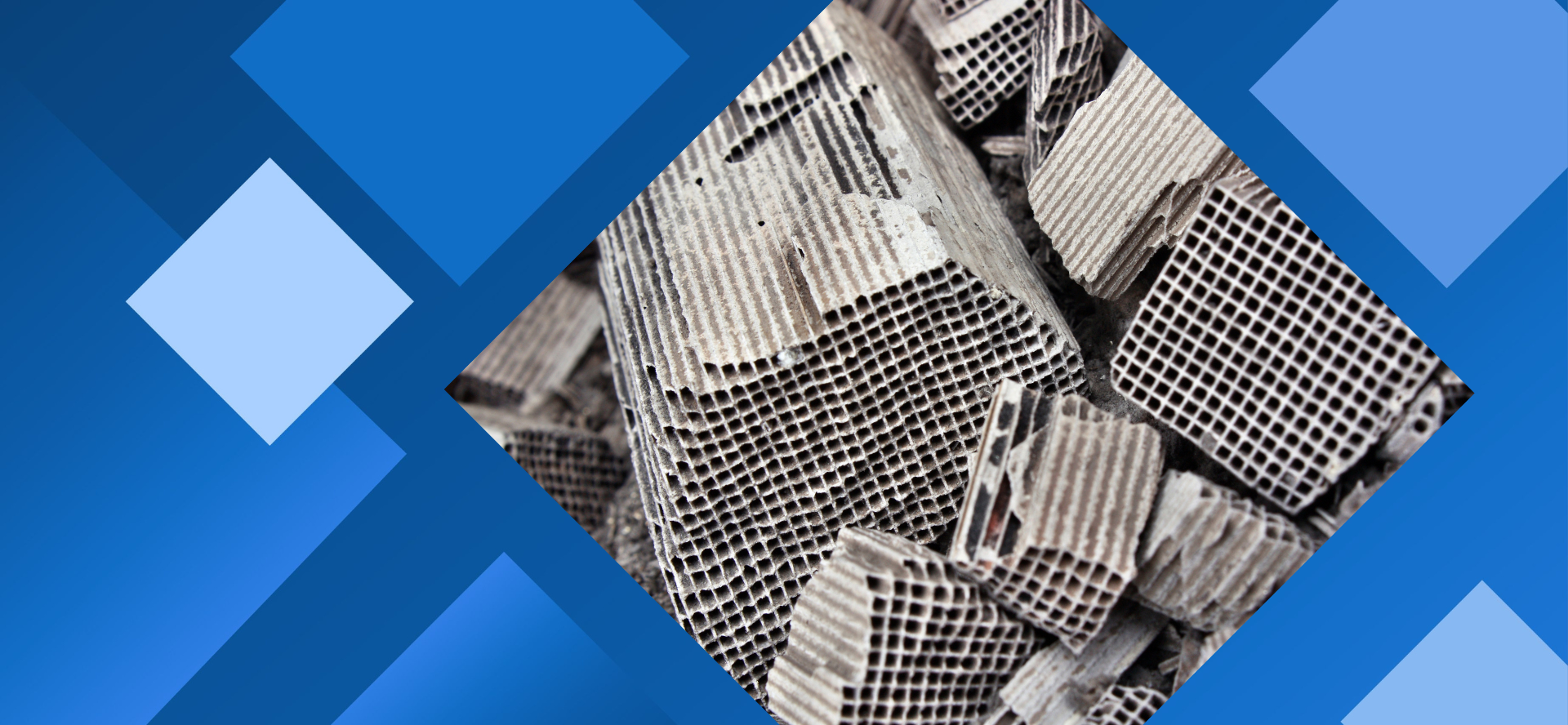
Catalytic converters are not ordinary auto parts. They are regulated components of a vehicle’s exhaust system due to their role in controlling emissions and the valuable materials they contain.
Inside catalytic converters are precious metals that help reduce harmful gases like carbon monoxide and carbon dioxide before they exit the tailpipe. Because of their environmental importance and theft risk, there’s often confusion around proper disposal versus simply scrapping them.
To clear the air and help increase the responsible disposal of scrap catalytic converters, we created this comprehensive guide. Keep reading to discover your legal options, the environmental impact of converter recycling, and how to recover the market value of your material responsibly.
What should I do with an old catalytic converter?
Old or used catalytic converters should never be thrown in the trash or sent to a landfill. Improper disposal can lead to environmental harm and legal penalties. Instead, here are three compliant options where you can dispose of your converters:
- Authorized scrap yards that accept regulated automotive components
- Licensed catalytic converter recyclers that specialize in compliant handling and reporting
- Auto repair shops that partner with approved recycling services
With all these cases, proper documentation matters. Many jurisdictions require seller identification, proof of origin, transaction records, and more to meet responsible industry standards. If you’re not familiar with your local, state, and federal law concerning catalytic converter transactions, make sure to check the website or other trusted sources!
Is it worth it to scrap a catalytic converter?
The only answer is yes. Scrap catalytic converters retain market value even when they’ve been stripped from a vehicle. That’s because of the platinum group metals they contain.
These include palladium, rhodium, and rhodium recovered during processing. But not all converters contain the same amount of PGMs. Metal recovery depends on:
- Vehicle type and converter size
- Current market prices, sometimes updated in real-time
- Overall metal content, condition, and completeness
Working with licensed buyers ensures you get a fair price, competitive pricing, and access to the true value of your material without risking fines or seizure.
How are catalytic converters fully recycled?
The catalytic converter recycling process begins with collection and grading to separate material type. Units are then decanned, separating the ceramic or metallic substrate from the steel shell. That’s where the precious metals are.
The substrate is then crushed and commingled into a homogenous powder that gets sampled for assay. During the assay, laboratory workers use XRF and ICP devices, industry standard technology, to determine the exact amount of platinum, palladium, and rhodium recovered from your material. That’s where you get paid.
The material then moves to the smelter, where it gets further refined and melted down into bars, ready to be refunneled into the economy.
How catalytic converter recycling helps the environment
The role of catalytic converter recycling goes beyond the automotive industry. It reduces the need for new mining operations, lowers greenhouse gas emissions tied to raw metal extraction, and prevents harmful waste from entering landfills.
When you recycle your converters, you’re actively reducing environment damage and minimizing emissions across the precious metal supply chain.
Where can I recycle catalytic converters legally?
Legal outlets include licensed metal recycling facilities, automotive recyclers, converter processors, and precious metal refiners. These operators follow strict compliance rules and environmental safeguards.
Because regulations vary by region, you should always verify local requirements before selling catalytic converters or other scrap metal.
Understanding disposal regulations and compliance
We understand that catalytic converter laws can be confusing sometimes. But strict regulations exist to prevent theft, protect the environment, and ensure traceability. That’s why it’s crucial to always remain up to date with recent laws, changes, or amendments to make sure your business continues to operate the right way.
Proper disposal of catalytic converters offers more than peace of mind with your returns. It also allows you to contribute to the protection of our environment. That’s why choosing to recycle your material with compliant, legal recycling services is important.
Learn about disposal regulations in your area or contact a PMR expert to learn more.