


Platinum Group Metals (PGMs)
Understanding Platinum’s Function in Catalytic Converters

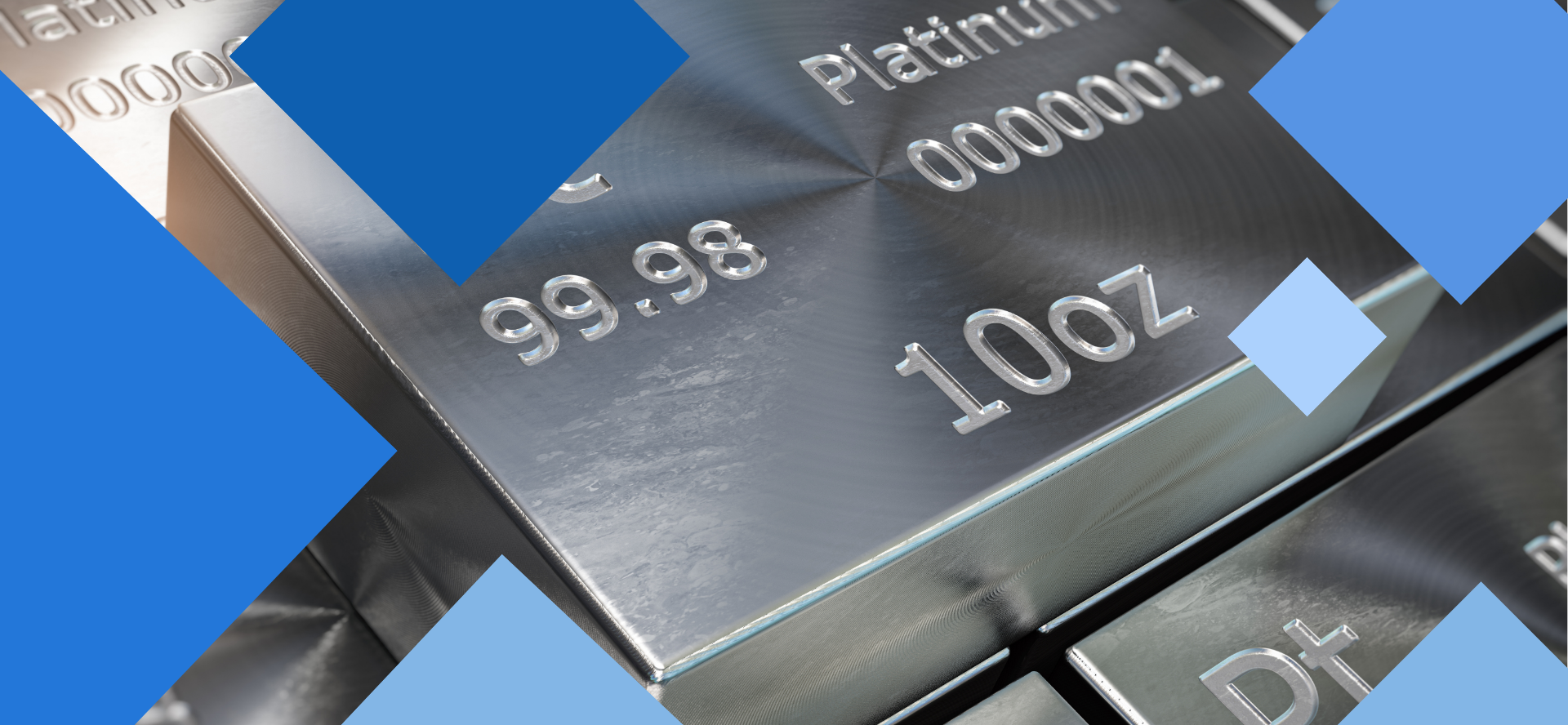
Catalytic converters play a critical role in modern vehicles by reducing harmful emissions produced during fuel combustion. Installed in the exhaust system, these devices transform toxic exhaust gases into less harmful substances before they are released into the atmosphere.
As global emission standards continue to tighten, catalytic converters are essential to controlling air pollution and protecting public health. But what are they made of? And why are they able to transform toxic vehicle gases?
At the heart of catalytic converters are precious metals, with platinum standing out as one of the most important. Alongside palladium and rhodium, platinum enables the chemical reactions that make emission control possible.
With rising metal prices, increasing emissions regulations, and growing awareness of catalytic converter theft, understanding platinum’s role has never been more important. For recyclers, automakers, investors, and vehicle owners alike, platinum sits at the intersection of environmental responsibility and financial value. Let’s take a closer look at why platinum is so coveted.
Why are precious metals used in catalytic converters?
Precious metals are used in catalytic converters because of their exceptional ability to catalyze chemical reactions under extreme operating conditions. Platinum, palladium, and rhodium are all platinum group metals (PGM) known for their high catalytic efficiency, thermal stability, and resistance to corrosion.
Inside catalytic converters, these metals are exposed to high temperatures and a constant flow of exhaust gases. Unlike base metals, precious metals maintain their structure and activity even after prolonged exposure to heat, vibration, and chemical contaminants. This durability allows them to function reliably throughout the life of the vehicle.
From an economic and environmental perspective, precious metals also offer long-term sustainability. Mining platinum group metals is resource-intensive, energy-heavy, and environmentally disruptive. Recovering valuable metals from end-of-life catalytic converters significantly reduces the need for new mining activities while keeping critical materials in circulation.
For recyclers, understanding the precious metal content of catalytic converters is essential. Even small differences in platinum, palladium, or rhodium loading can dramatically affect scrap metal value, making accurate assessment crucial for fair pricing and transparent transactions.
What is platinum, and why is it important in catalytic converters?
Platinum is a rare, naturally occurring precious metal prized for its chemical stability and resistance to corrosion. Found deep within the Earth’s crust, it’s rarer than gold and has a wide range of industrial applications, from electronics and medical devices to chemical processing and automotive emission control.
What makes platinum especially important in catalytic converters is its ability to facilitate chemical reactions without being consumed. Platinum remains stable at high temperatures and resists oxidation, allowing it to repeatedly convert harmful pollutants into less dangerous compounds.
Without it, catalytic converters would struggle to meet modern emission standards, particularly in demanding applications such as diesel engines or high-performance gasoline engines. Its combination of durability, efficiency, and catalytic activity makes platinum indispensable in modern autocatalysts. Let’s take a deeper dive into its catalytic functions.
The functional and scientific role of platinum in catalytic converters
Platinum acts as a catalyst by accelerating chemical reactions within the exhaust system. As vehicle exhaust flows through the catalytic converter, it passes over a ceramic or metallic substrate coated with platinum and other PGMs. This substrate is typically formed into a honeycomb structure, maximizing surface area and exposure to exhaust gases.
Platinum supports three primary reactions critical to emission control:
- Oxidation of carbon monoxide into carbon dioxide
- Oxidation of hydrocarbons into carbon dioxide and water
- Reduction of nitrogen oxides (NOx) into nitrogen and oxygen in three-way catalyst systems
These chemical reactions occur rapidly as exhaust gases contact the platinum-coated surface. Also, platinum itself is not consumed during the process, allowing it to continue functioning over millions of reaction cycles.
The history of platinum in catalytic converters
The use of platinum in catalytic converters dates back to the 1970s, when governments began introducing strict vehicle emission standards to combat smog and air pollution. Early emission control systems relied heavily on platinum because of its proven catalytic performance and durability.
At first, platinum was used extensively in gasoline engines, especially in oxidation catalysts designed to reduce carbon monoxide and hydrocarbons. As diesel engines became more prevalent, platinum found an even more prominent role due to its effectiveness in diesel oxidation catalysts and diesel particulate filter (DPF) systems.
Over time, fluctuations in metal prices prompted automakers to experiment with palladium substitution, particularly during periods when platinum prices surged. This shift reshaped PGM demand and increased the importance of recycling, as reclaimed metals became a vital secondary supply source for the industry.
How much platinum is in a catalytic converter?
The amount of platinum in catalytic converters varies widely depending on vehicle type, engine size, and emission requirements. For example, passenger vehicles typically contain small but valuable quantities.
Gasoline engines generally contain less platinum than diesel engines, which rely more heavily on platinum-based oxidation catalysts. Heavy-duty trucks and industrial vehicles may contain significantly higher PGM loadings, which means more platinum.
Most catalytic converters contain a mix of platinum, palladium, and rhodium. The ratio of these metals depends on design specifications, emission standards, and regional regulations. For recyclers, understanding these variations is essential for accurately determining precious metal content and value.
Comparing platinum and palladium
Platinum and palladium are like cousins, closely related but with different market behaviors and functions. Historically, platinum commanded higher metal prices, though palladium has surpassed it at times due to supply constraints and increased demand from gasoline engines.
Functionally, platinum performs exceptionally well in oxidation reactions and is favored in diesel engines, while palladium is often preferred in gasoline engines for hydrocarbon and carbon monoxide oxidation. Regional differences also play a role, with Europe historically favoring platinum-rich systems and North America leaning toward palladium-heavy designs.
From a recycling standpoint, platinum remains highly sought-after. Its consistent industrial demand and limited supply make it a valuable component in scrap catalytic converter recovery.
Why is it important to recycle platinum?
At the end of a vehicle’s life, catalytic converters become a valuable source of platinum group metals. Recyclers collect, process, and refine these components to recover platinum, palladium, and rhodium for reuse.
Toll refining plays a crucial role in this process, allowing recyclers to retain ownership of their material while paying a fee for precise metal recovery. Accurate knowledge of precious metal content is essential, as even small differences in PGM loading can significantly impact returns.
Global demand for platinum continues to evolve, influenced by emissions regulations, vehicle technology, and metal prices. For recyclers and automotive stakeholders, platinum recovery represents both an environmental responsibility and a strategic economic opportunity.
Platinum beyond catalytic converters
While catalytic converters account for a significant share of platinum demand, the metal’s importance extends far beyond vehicle emission control. Platinum’s unique physical and chemical properties, exceptional corrosion resistance, high melting point, and unmatched catalytic performance make it indispensable across multiple critical industries.
Industrial
One of platinum’s largest non-automotive uses is inindustrial chemical processing. Platinum-based catalysts are widely used in petroleum refining, fertilizer production, and silicone manufacturing, where they drive essential chemical reactions at high temperatures and pressures.
Uses in the hydrogen economy
Platinum also plays a vital role in the up and coming hydrogen economy. It’s a key component in fuel cells, where it facilitates the electrochemical reactions that convert hydrogen into electricity. As governments and automakers invest in hydrogen-powered vehicles and clean energy infrastructure, platinum demand from fuel cell technology is expected to grow steadily.
Medical field
In the medical field, platinum is used in surgical instruments, pacemakers, and cancer treatment drugs such as cisplatin and carboplatin. Its biocompatibility allows it to function safely inside the human body without corroding or triggering adverse reactions.
Electronics and data industries
Platinum is also essential in electronics and data infrastructure. It is used in hard disk drives, sensors, and high-performance electrical contacts due to its reliability and resistance to wear. As digital systems become more complex and data storage demands increase, platinum continues to support the backbone of modern technology.
Ultimately, platinum’s role beyond catalytic converters reinforces why recycling and recovery are so critical. Each ounce reclaimed supports not only emission control but also global industries that rely on platinum to drive innovation, sustainability, and human health.
Platinum’s role in catalytic converters is both scientifically vital and economically significant. From enabling critical chemical reactions to reducing harmful emissions, platinum underpins modern emission control systems. Its historical adoption, functional advantages, and enduring value have made it a cornerstone of the automotive and recycling industries.
As emission standards tighten and metal prices fluctuate, platinum’s importance will only grow. If you’re involved in recycling, refining, or automotive manufacturing, understanding platinum’s function is essential to navigating the future of market movements, emission controls, and sustainable resource management.
Have questions about platinum or catalytic converter recycling? Ask our specialists to learn more.