


Platinum Group Metals (PGMs)
Inside the Catalytic Recycling Process: How Pure Is the Recovered Metal?

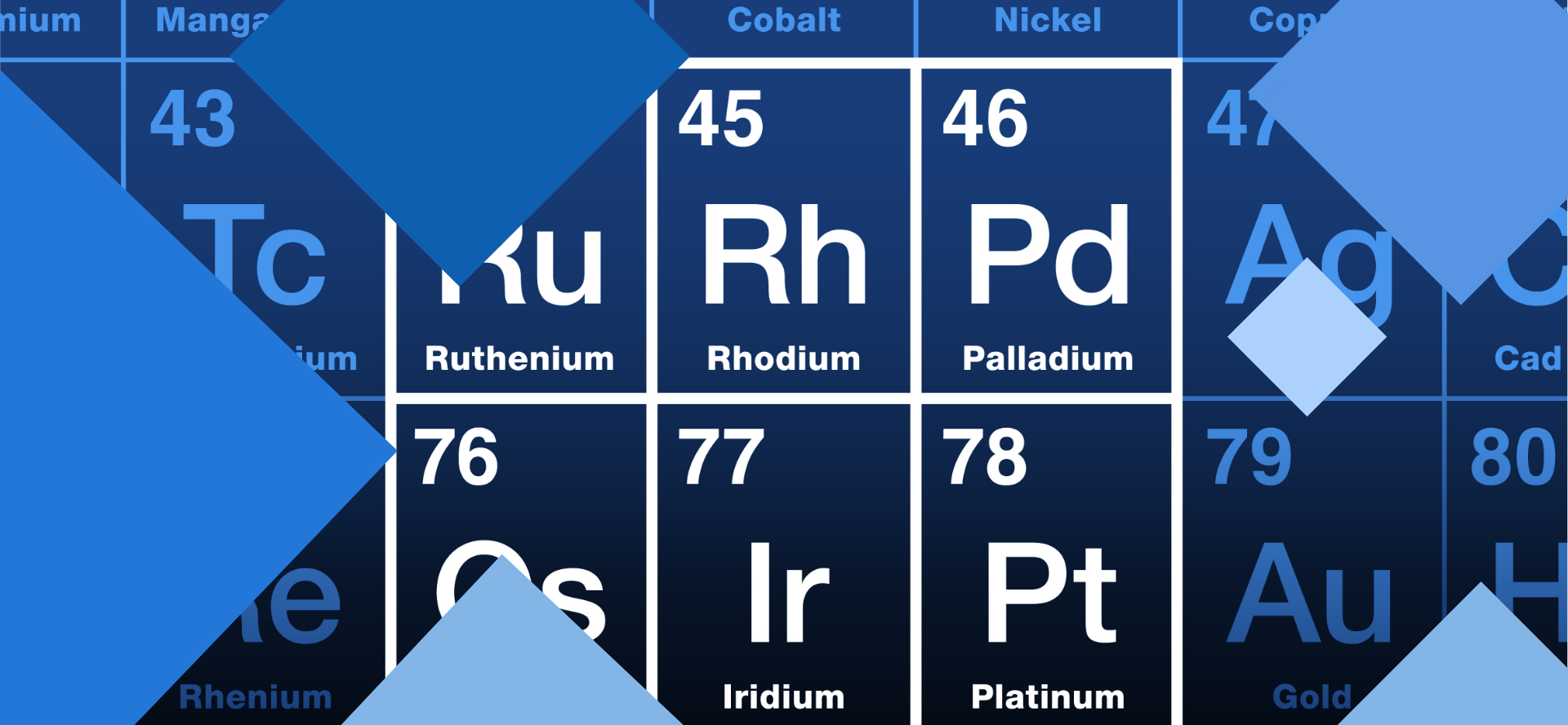
The global demand for platinum-group metals (PGMs) continues to climb as the automotive industry, industrial manufacturers, and clean-energy developers consume more catalytic materials every year.
From traditional auto-catalysts to emerging fuel cells, PGMs such as platinum, palladium, and rhodium remain essential for controlling emissions, facilitating oxidation reactions, and powering next-generation technologies. And for global sustainability.
As the value of these metals rises so does the interest in understanding how metal recovery works. Recyclers, scrap yards, and businesses handling spent automotive catalysts now face a crucial question: How pure is the recovered metal, and what is a catalytic converter really worth?
In this guide, we break down the catalytic converterrecycling process. We’ll give you industry insight that explains how purity is measured and how to optimize your returns through better sampling, accurate assays, and trustworthy refining partners.
What precious metals are inside catalytic converters?
Every day, millions of vehicles rely on catalytic converters to transform pollutants in their exhaust systems. They convert carbon monoxide, hydrocarbons, and carbon dioxide into less harmful exhaust gases through high-temperature chemical reactions. The engine behind these reactions is a blend of precious metals: platinum, palladium, and rhodium.
These PGMs are deposited onto a ceramic honeycomb or metallic substrate coated with a PGM-rich washcoat. Each metal plays a specific role:
- Platinum: Effective for oxidation and reduction reactions, especially in diesel applications.
- Palladium: Highly efficient for oxidation reactions, widely used in gasoline catalytic converters.
- Rhodium: The most expensive PGM, critical for reducing nitrogen oxides.
Manufacturers use different blends and loadings of these metals based on engine type, emissions regulations, and desired durability. That means the precious metal content can vary dramatically between converters. These three metals are crucial to reuse and recycle, making spent automotive catalytic converters valuable scrap metal.
How much are the precious metals in a catalytic converter worth?
When it comes to the value of spent catalytic converters, it all comes down to the PGMs that remain. Let’s take a look at how that works.
Market price vs. actual recoverable value
A common misconception is that the value of a catalytic converter can be calculated by looking at the spot price of platinum, palladium, or rhodium. In reality, spot pricing only reflects the value of refined, physical ounces of metal, not the raw material trapped inside a used converter.
A catalytic converter’s true value can’t be estimated by sight, weight, or appearance because the PGM composition isn’t visible to the eye. The theoretical load (the amount of PGMs an OEM originally applied to the substrate) can only be quantified through proper sampling and chemical analysis. Until a converter is decanned, milled, homogenized, and assayed, its true metal content is unknown.
Even once a converter’s PGM content is measured, the spot price still doesn’t directly apply. Spot price applies only to fully refined metal, which requires the material to pass through several refining stages before it becomes a tradable physical product.
Converter categories that influence value
Several converter classifications significantly influence their PGM value.
- OEM vs. aftermarket: OEM units contain higher PGMs. Aftermarket units often contain a fraction of the load.
- Diesel vs. gasoline converters: Diesel units often use more platinum. Gasoline converters use more palladium.
- Hybrid vehicle converters: Some hybrids contain higher PGM loads to compensate for lower average exhaust temperatures.
Why two seemingly identical converters can have very different values
Even within the same make or model year, converter value can differ because of:
- Ceramic substrate porosity
- Washcoat thickness and coating technology
- High-temperature degradation
- Emissions standards at the time of manufacture
This is why processing and accurate sampling are key for determining the true value of your used catalytic converters.
How much precious metal can be recovered from a catalytic converter?
During the process of recycling end-of-life converters, the amount that can be recovered from each unit varies. Let’s take a deeper dive into the recovery of PGMs and why some units have more PGMs than others.
Recovery variations explained
The amount of recoverable metal varies based on:
- Converter age and engine performance
- Washcoat condition
- OEM vs. aftermarket loadings
- Efficiency of the recovery process
Over time, high exhaust temperatures and oxidation can change the surface of the honeycomb, reducing available PGMs, but the ceramic often retains most of its valuable metals. This can lead to differences in metal recovery.
Industrial processes that maximize recovery
To ensure the highest recovery rates, processors rely on this methodology:
- Milling the ceramic to create a uniform powder, after which they take multiple samples
- Accurate weighing and blending
- Advanced assay methods
Modern processors use a combination of XRF and ICP devices to determine the exact PGM content. These technologies dramatically improve recovery efficiency and accuracy.
Can metal be 100% recycled from a catalytic converter?
In the converter recycling industry, there’s one universal truth. No processor, even with advanced smelting equipment, can achieve full 100% extraction of PGMs.
Minor losses occur during:
- Thermal treatment
- Mechanical processing
- Chemical refining
While recovery rates can be extremely high, they never reach a perfect 100%. That’s because, as we’ve mentioned before, several converter conditions and processing factors affect how much metal can be captured.
For example, a poorly cut or damaged converter can result in losses before the material even reaches the processor’s facility. Even if the processor has the most advanced decanning and crushing technology, metal recovery will suffer losses.
Why purity matters more than quantity
A higher purity of recovered metal leads directly to a higher payout. Impurities from soil, rust, or contaminated batches can distort assay results.
What determines the value of precious metals in a catalytic converter?
There is no one magic button that determines the value of the precious metals recovered from your catalyst material. It’s a combination of several factors. Let’s take a look.
Key determinants of value
The value of PGMs inside catalytic converters depends on:
- The specific blend of PGMs used
- Global demand in the automotive industry and industrial sectors
- Supply disruptions or geopolitical risks
- Growth in hydrogen, renewable energy, and fuel cells
Since mining output for PGMs is geographically concentrated, even minor disruptions to primary supply have major impacts on market prices.
Also, the structure of the washcoat, the oxidation behavior of PGMs, and OEM emissions standards affect how much metal survives through the converter’s lifespan. Clean, well-structured coatings allow for higher purity and better precious metal recovery during the recycling process.
How to ensure accurate precious metal recovery
Now that we’ve established what’s inside a catalytic converter, how the metal recovery process is affected by internal and external factors, and how pricing varies–here’s how to ensure you recover the most from your material.
The importance of proper sampling
When your converters arrive at a processor’s facility, they’ll get cut, decanned, and crushed. Once that’s done, samples are sent to the lab. Sampling is the single most important factor in determining converter value. To obtain a representative sample:
- The ceramic must be fully milled
- The powder must be homogenized
- Moisture levels must be controlled
Inconsistent sampling can lead to underpayment or disputes.
Assay methods
Modern processors rely on two primary analysis tools:
- XRF: Useful for rapid, on-site readings
- ICP: Comprehensive, laboratory-grade testing for precise PGM content
A detailed assay report is essential for transparent payment.
Working with reputable buyers or processors
The only way to recover your material’s true value and to get paid for it is to work directly with a catalytic converter processor. But not all processors will have your business’ best interest at heart. Trustworthy partners will offer:
- Transparent reporting
- Clear fee structures
- Certification for handling scrap and waste management materials
- Accurate settlement based on real assay results
Red flags include vague pricing, refusal to share assay data, or inconsistent payout structures.
Where to recycle or sell recovered precious metals from catalytic converters
There are a few ways to sell your recycled catalytic converters for the value of the precious metals they contain. Let’s compare your options.
Automotive recycling facilities and scrap yards
For some businesses, local scrap yards or automotive recycling centers offer the best options. However, it’s important to remember that prices can vary widely depending on their access to processors and their understanding of PGM markets.
Toll refining
Toll refining allows recyclers to recover the most from their material and get paid for the true value of their PGMs. Working directly with a processor ensures:
- Maximum transparency
- Highest potential returns
- Accurate reporting of PGM value
While many refiners require large batches, some specialized processors like PMR accept low lots, making toll refining accessible to smaller operations.
The future of precious metal recovery and converter recycling
Demand for PGMs is expected to remain strong for years due to:
- Growth in hydrogen production
- Automotive fuel cells
- High-value industrial catalysts
Emerging technologies promise higher recovery rates, lower energy consumption, and reduced environmental impact, strengthening the role of circular economy principles in scrap metal and converter recycling.
Understanding how catalytic converters are processed, how PGMs are recovered, and how purity is measured gives you and your business the tools to make the right choices. With accurate sampling, advanced assays, and trusted processing partners, you can reclaim valuable metals efficiently and confidently.
Looking for a trusted partner for catalytic converter recycling? Reach out today to start recycling with confidence.