


Insights
Understanding Copper’s Function in Catalytic Converter Technology

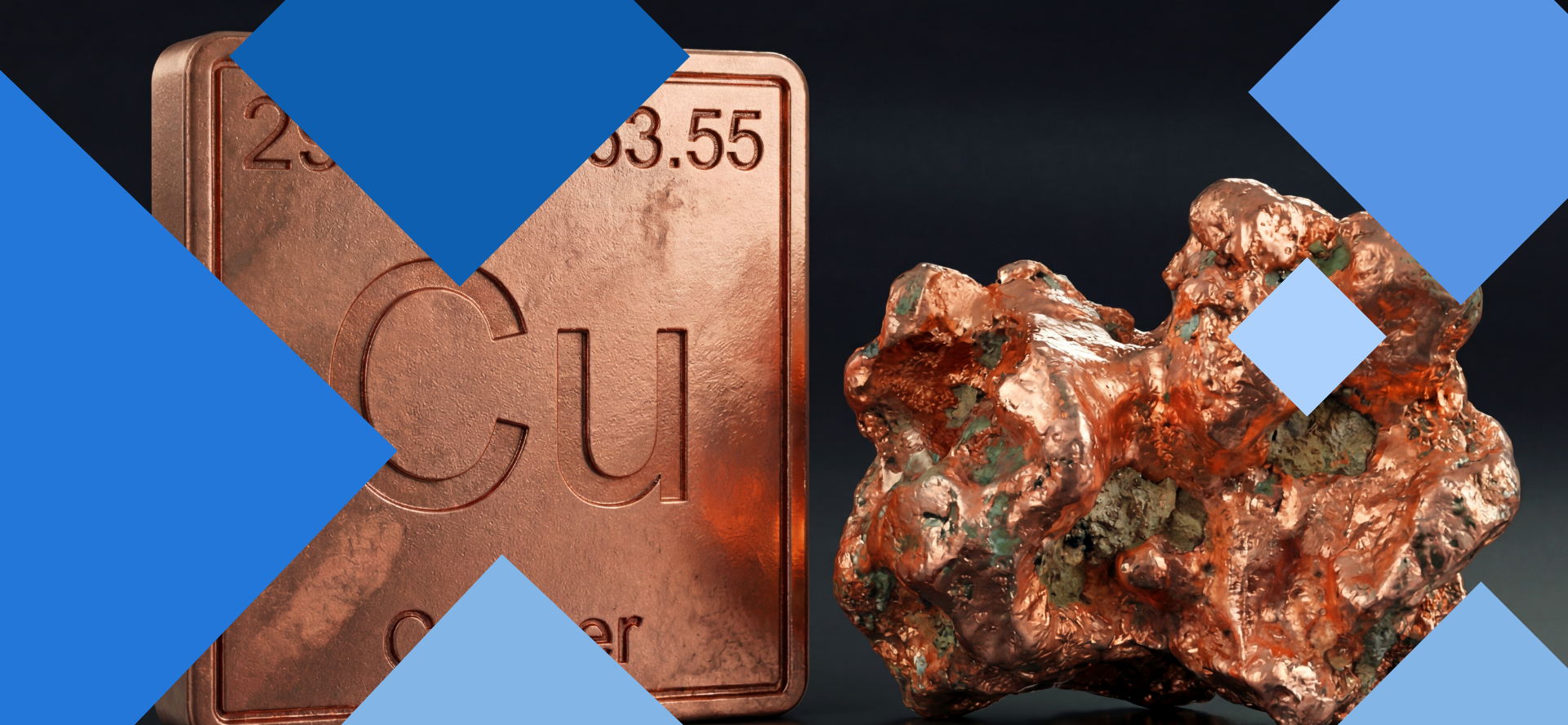
Catalytic converters are widely associated with precious metals such as platinum, palladium, and rhodium. These materials are essential to the chemical processes that reduce harmful vehicle emission outputs from internal combustion engines. Without them, modern emission control systems would struggle to meet increasingly strict environmental regulations designed to combat air pollution.
Automotive catalytic converters, though, are complex devices made from a variety of materials. Alongside ceramic structures, stabilizers, and specialized coatings, certain base metals, including copper, can appear in limited roles in the overall catalyst system.
This often raises questions in the recycling and metals recovery industries. Do catalytic converters actually contain copper? If so, why isn’t it considered a primary catalytic metal like platinum or palladium? Could copper eventually play a larger role in future emissions technology?
Understanding how copper fits into catalytic converter design helps clarify its relevance, its limitations, and why the industry continues to rely on platinum group metals (PGMs) to manage exhaust emissions from vehicles.
What is a catalytic converter?
A catalytic converter is a device installed in a vehicle’s exhaust system to reduce harmful pollutants produced by internal combustion engines. When fuel burns inside an engine, it generates a mixture of gases that exit through the exhaust. These exhaust gases include substances that contribute to air pollution, like carbon monoxide, unburned hydrocarbons, and nitrogen-based compounds such as nitrous oxide.
The catalytic converter transforms these harmful substances into less damaging compounds before they’re released into the atmosphere. Through controlled chemical reactions, the converter converts:
- Carbon monoxide into carbon dioxide
- Unburned hydrocarbons into carbon dioxide and water
- Nitrogen oxides into nitrogen and oxygen
This process relies on catalysis, meaning the converter uses specialized materials that accelerate reactions without being consumed themselves.
Basic converter structure
Most automotive catalytic converters share a similar internal design. Let’s take a deeper look at the structure of a converter.
Substrate
At the core of the converter is a ceramic substrate shaped like a honeycomb. This structure provides thousands of tiny channels that allow exhaust gases to pass through while maximizing the available surface area for chemical reactions.
Washcoat
The honeycomb structure is coated with a porous layer called the washcoat. This coating increases the surface area available for catalytic activity, allowing metals to interact with more of the exhaust stream.
Catalytic metals
Embedded in the washcoat are extremely small quantities of platinum group metals. These metals act as catalysts, enabling the conversion of harmful gases into less dangerous ones.
The effectiveness of a catalyst system depends on the stability and chemical behavior of these materials. The environment inside an exhaust system involves high temperatures, rapid gas flow, and exposure to potentially corrosive compounds, making material selection critical for reliable performance.
Why are precious metals used in catalytic converters?
The primary reason catalytic converters rely on precious metals is their exceptional catalytic properties. The PGMs consist mainly of platinum, palladium, and rhodium. Each plays a specialized role in the three-way catalytic converter used in most gasoline-powered vehicles.
These metals are uniquely suited to exhaust systems because they:
- Accelerate chemical reactions without being consumed
- Remain chemically stable under high temperatures that often exceed 900°C
- Resist corrosion and contamination from fuel and exhaust byproducts
Because catalytic converters must function reliably for many years, these characteristics are essential.
Role of each metal
Each PGM plays a critical role in the converter to enable efficient exhaust control.
Platinum commonly acts as an oxidation catalyst. It helps convert carbon monoxide and hydrocarbons into carbon dioxide and water through oxidation reactions.
Palladium performs similar oxidation functions and is widely used in gasoline-powered automotive catalytic converters due to its efficiency in converting unburned fuel components.
Rhodium is particularly valuable because it facilitates catalytic reduction reactions that convert nitrogen oxides into harmless nitrogen gas.
Together, these metals form the foundation of the three-way catalyst used in modern gasoline engines.
Why cheaper metals cannot easily replace PGMs
While base metals are far less expensive than platinum group metals, they generally lack the durability needed for automotive environments. Many base metals:
- Oxidize rapidly when exposed to oxygen and heat
- Degrade at the high temperatures present in exhaust systems
- Lose catalytic activity over time
As a result, catalytic converters rely on small amounts of effective metals rather than larger amounts of less stable alternatives.
This means PGMs are also one of the reasons catalytic converter thefts have increased in recent years, as these metals can command significant value on the recycling market.
Do catalytic converters contain copper?
Sometimes, they do, but not in the way you’d expect.
Copper is not typically present as a recoverable metal in most traditional catalytic converters used in gasoline vehicles. The metals that determine converter value remain platinum, palladium, and rhodium.
However, copper may appear in limited roles in certain catalyst formulations or specialized emission control technologies. In many cases, it exists as part of a compound or oxide rather than as metallic copper.
Copper may be found in:
- Experimental catalyst materials
- Certain diesel engine emission systems
- Research-focused catalyst designs
Why copper is rarely recovered by recyclers
Even when copper is present, it typically exists in extremely small concentrations. It’s also chemically bound in catalyst structures rather than existing as a separate recoverable metal.
Because of this, copper content in a catalytic converter is generally tiny and not economically recoverable through standard refining processes.
For recyclers and processors, copper doesn’t contribute meaningfully to converter valuation. The recoverable metals that drive pricing remain PGMs.
Why is copper used in catalytic technology?
Although copper is not a primary metal in most automotive catalytic converters, it has valuable chemical properties that make it useful in specific catalyst systems.
Copper can function as a catalytic promoter, meaning it can influence the behavior of other catalytic materials in a system.
In certain applications, copper can:
- Enhance catalytic activity
- Improve reaction selectivity
- Stabilize particular catalyst structures
These characteristics make copper attractive for specialized emission-control technologies.
Copper in diesel catalyst systems
One area where copper has become important is in catalysts used in modern diesel vehicles. Diesel engines produce different emission profiles compared to gasoline engines, including higher levels of nitrogen oxides in diesel exhaust.
To address this issue, many diesel engine systems use selective catalytic reduction, a process that helps convert nitrogen oxides into nitrogen and water.
In these systems, copper can be incorporated into zeolite structures as part of the catalyst. Copper ions embedded in these structures help drive the reactions that reduce nitrogen oxides during diesel exhaust treatment.
These catalysts are part of advanced emission systems often paired with diesel particulate filters and other components designed to reduce exhaust emissions from diesel vehicles.
Why researchers study copper
Copper remains attractive to catalyst researchers for several reasons:
- It’s far more abundant than platinum group metals
- It’s significantly less expensive
- It exhibits useful catalytic properties in controlled environments
Because of these advantages, copper is frequently explored as a potential component in next-generation catalyst system designs aimed at improving emission efficiency or reducing dependence on PGMs.
Can copper act as a catalyst in exhaust systems?
Yes, copper can function as a catalyst in certain exhaust systems, but it has important limitations compared to precious metals.
Copper-based catalysts can be effective in several situations, including:
- Nitrogen oxide reduction processes
- Low-temperature emission control
- Certain industrial catalytic reactions
However, copper catalysts tend to struggle under the harsh conditions present in automotive exhaust systems.
Key limitations
Copper compounds often degrade when exposed to sustained high temperatures. Exhaust environments can exceed several hundred degrees Celsius, especially under heavy engine load.
Long-term exposure to exhaust gases, moisture, and chemical contaminants can also reduce the effectiveness of copper catalysts.
Finally, sulfur compounds in fuel or exhaust can poison catalytic materials, reducing their ability to facilitate reactions.
Because of these limitations, copper typically functions as a supporting component rather than replacing platinum, palladium, or rhodium in mainstream catalytic converter designs.
What this means for catalytic converter recyclers
For recyclers, processors, and converter buyers, understanding converter materials helps clarify how catalytic converter value is determined.
The metals that drive converter pricing remain the platinum group metals, particularly platinum, palladium, and rhodium. These metals are present in small but economically significant quantities in the washcoat applied to the converter’s ceramic substrate.
Copper, when present, exists in trace quantities that don’t affect assay results or refining value.
Key takeaways for you should remember:
- Copper isn’t a primary recoverable metal in converters
- Converter value is determined mainly by PGM loadings
- Base metals typically don’t contribute meaningfully to recycling returns
Understanding these distinctions helps recyclers accurately evaluate converters and avoid misconceptions about the materials they contain.
The future of copper in emissions-control research
Although copper plays a limited role in current automotive catalytic converters, research into alternative catalyst materials continues as regulators push for lower vehicle emission levels.
Scientists and engineers are exploring ways to improve catalyst efficiency, reduce the cost of emission control systems, and address challenges such as the cold start period when engines first begin operating and emission control systems have not yet reached optimal temperature.
Copper-based catalysts are being studied for:
- Advanced nitrogen oxide reduction systems
- Low-temperature catalyst designs
- Hybrid catalyst structures that reduce reliance on expensive PGMs
While copper is unlikely to fully replace platinum group metals, it may contribute to future catalyst technologies designed to improve efficiency while lowering overall material costs.
Copper occupies an interesting but limited position in catalytic converter technology. It’s not a primary catalytic metal like platinum, palladium, or rhodium, and it rarely contributes to the recoverable value of converters during recycling.
However, copper’s chemical properties make it useful in specialized catalyst applications, particularly in advanced diesel engine emission systems and ongoing catalyst research.
As exhaust emissions regulations continue to evolve, engineers will continue exploring new materials that can improve catalytic performance while controlling costs. Understanding how different metals contribute to catalysis helps recyclers, processors, and industry professionals stay informed about the technologies shaping modern emission control systems.
To understand the materials behind catalytic converter performance, speak with one of our experts today!